
 I love reading historical mysteries—Elizabeth Peters’ Amelia Peabody, Walter Mosley’s Easy Rawlins, Jacqueline Winspear’s Maisie Dobbs, Susan Elia MacNeal’s Maggie Hope, Rhys Bowen’s Georgiana Rannoch, Sujata Massey’s Perveen Mistry, and anything by Mariah Fredericks or Karen Odden.
Inspired by my love of historicals, I’ve written two historical mystery series, The Fiona Figg Mysteries set in WWI and The Detection Club Mysteries set in the 1930’s. Both feature real-life people from history, which is both exciting and challenging. Each book in the Fiona Figg series revolves around a real woman who did something important but has been forgotten by history. I decide where to set each novel based on finding a woman who has been relegated to the dustbin of history. In a way, this series is a feminist reclamation project.
The Detection Club features Agatha Christie, Dorothy L. Sayers, and other members of the Detection Club. It is a special challenge to bring such well-known figures to life in fiction. To do so, I’ve devoured everything written about Agatha Christie and Dorothy Sayers, as well as Christie’s autobiographies, and I visited the Dorothy Sayers archive and read her letters to get a sense of her voice.
I’m writing the fifth Detection Club Mystery now. It follows Agatha Christie and her second husband Max Mallowan after their secret wedding in Scotland (the inspiration for book four in the series) to their honeymoon on a cruise up the Nile with lots of fun Christie references inspired by true events.
So, what have I learned from writing historical fiction?
First, I love the fact that the details of history can help shape not only my plot but also the everyday lives of my protagonists. It’s like having a cheat-sheet. The challenge, of course, is getting it right. Not just being accurate but also finding the right balance between historical details and story.
History can play so many roles in the novel, from those juicy tidbits sprinkled throughout the text, to the rich tapestry of everyday life that forms the background or setting for your story.
Second, as a nerdy academic, I love doing the research! It’s so fun to look through old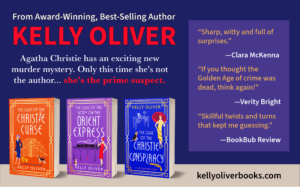 newspaper advertisements, or to use William Brohaugh’s English Through the Ages, Etymonline, or an old Baedeker’s guidebook to Paris or Vienna.
Old newspapers are wonderful sources too. Not only for stories that provide plot points but also for the advertisements that give you a sense of the period.
Of course, the Internet, especially Pinterest, is a vast source of information about everything from the food and clothes of an era to the political events that shaped it. It’s amazing where you can find helpful information, especially stuff to help you paint a vivid picture of the details. Firsthand accounts in documentaries, autobiographies, and nonfiction, are great resources too.
Third, even the dreaded anachronism can be fascinating. What words and gadgets existed and when? Anachronisms are things or words used in the wrong time period, either because they didn’t exist yet, or because they were already out of use.
There’s also the issue of region or place. Words used here might not be used there, even in the same time period. For example, in the US we say “cafeteria” and in England they say “canteen.” And on top of that, some words or things might feel out of place, even if they aren’t.
Even though it would be fair game to use a phrase like “hang out” in a 19th Century novel, it might make your reader stop and question its accuracy. So, you need to use words that not only are right, but also sound like they’re right.
It might sound like writing historical fiction is full of landmines and pitfalls, but those same challenges and obstacles can become a great help in fashioning a believable and engaging story. And, while emotions and reactions are also period and place dependent, a good historical novel adds the fleshy truth of experience to the bare bones of historical fact.
A great historical novel makes people, places, and the past come alive.
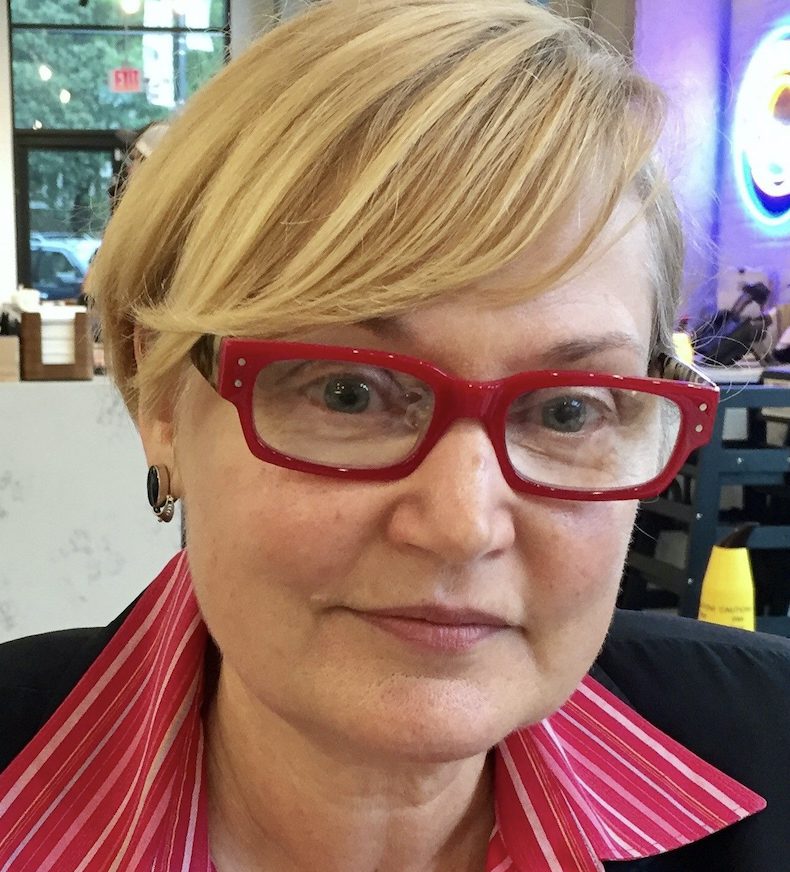
Kelly Oliver is the award-winning and bestselling author of four mystery series: The Jessica James Mysteries, The Pet Detective Mysteries, The Fiona Figg Mysteries, and The Detection Club Mysteries.
The Fiona Figg Mysteries have been on the most anticipated list of Mystery Magazine and won the Mystery and Mayhem Award and the Silver Falchion Award for Best Historical Mystery. And The Case of the Christie Conspiracy, Detection Club Mystery book one, is currently nominated for an Agatha Award for Best Historical Mystery.
Kelly is Past President of Sisters in Crime National, current Education Coordinator for SinC Guppies, and a Distinguished Emerita Professor of Philosophy at Vanderbilt University.
To learn more about Kelly and her books, go to www.kellyoliverbooks.com .